
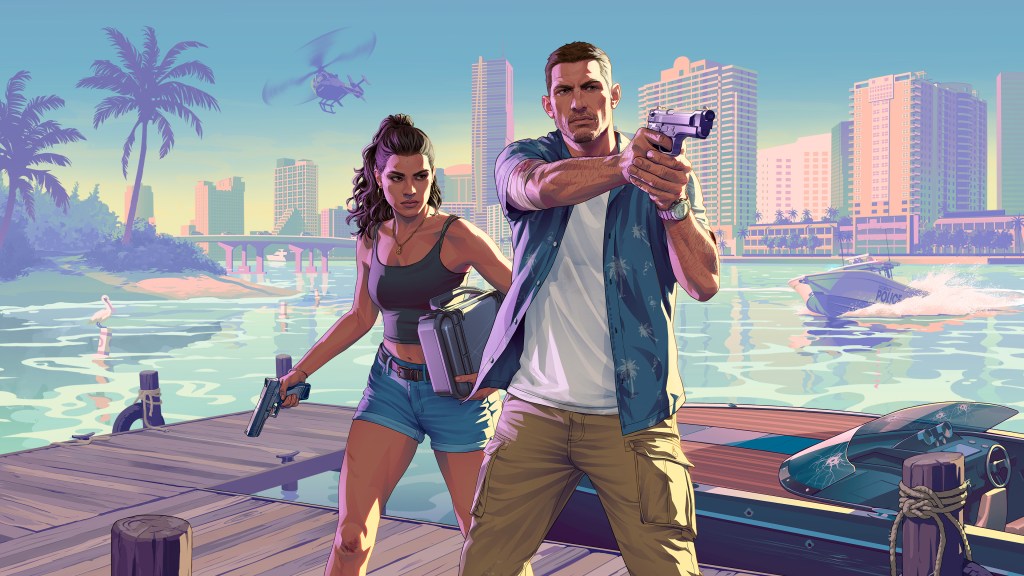
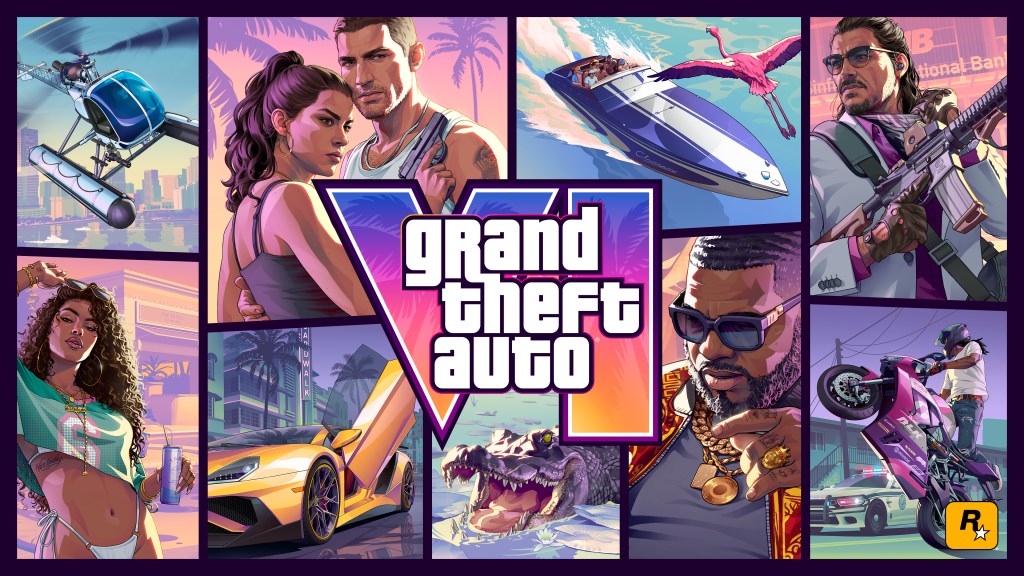
It is hard to deny the cultural impact GTA VI is going to have on the world. Beyond the shock waves it is bound to send through the gaming landscape, it is set to become one of the biggest media launches in history, with other developers already scrambling to avoid the release-window dead zone it has created. The influence GTA VI is exerting before release is massive, and that is why Rockstar’s reported decision to forgo a traditional physical disc sets such a critical precedent. Although this is worrying from a game preservation standpoint, there is an even more concerning ramification on the horizon.
The phasing out of physical media is not a particularly new concept. A similar transition happened in the music industry over a decade ago, with 2015 becoming the first year in which digital music revenues overtook physical sales globally. For years, the video game industry has been undergoing the same transition, with the PC market moving almost entirely towards digital store fronts. This shift, particularly as it envelops the console space, is controversial to say the least. While many players benefit from the convenience of digital ownership, game preservation and long-term access are increasingly called into question.
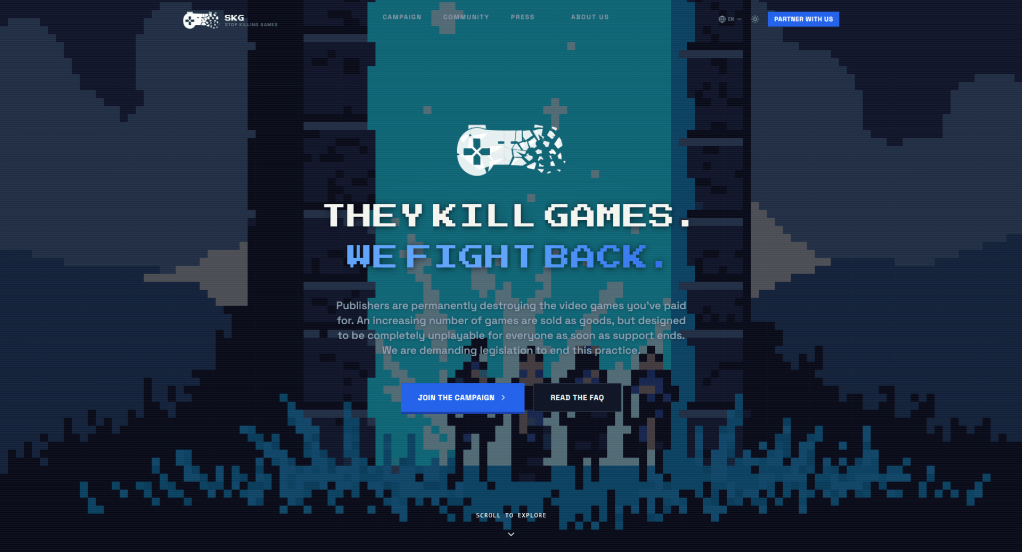
Early in 2026, the Stop Killing Games initiative alerted the European Commission to the game preservation crisis after gathering a staggering 1.29 million verified signatures. It tackled issues of game preservation, consumer rights, and the ambiguity behind legal ownership. Despite its backing, the Commission ultimately rejected a strict legal mandate that would have forced publishers to keep video games playable after commercial support ends.
Without that guarantee, Sony’s recent decision to cease production of physical game discs in January 2028, alongside GTA VI’s current digital-only release plan, creates a worrying and uncertain future for game preservation. A purely digital future carries the risk that publishers may one day lose a licence, change their terms and conditions, or simply cease support for a game. Something similar has already come to fruition elsewhere in Sony’s ecosystem, with hundreds of previously purchased digital films becoming unavailable to users after licensing agreements expired.
When a platform holder removes the second-hand marketplace, it can charge a premium and keep prices higher for longer
That is not to say physical media is perfect for game preservation. Game discs can break or scratch with prolonged use, and physical hardware can only survive so many years before people experience technical failures. But the important distinction between physical and digital lost media is control. By purchasing a physical copy of a game, you take responsibility for that product. The more carefully you handle that disc or console, the more life you can get out of it. Even if someone preserves their hardware haphazardly, at least that decision falls on them, rather than on an external company deciding when their purchase no longer holds value.
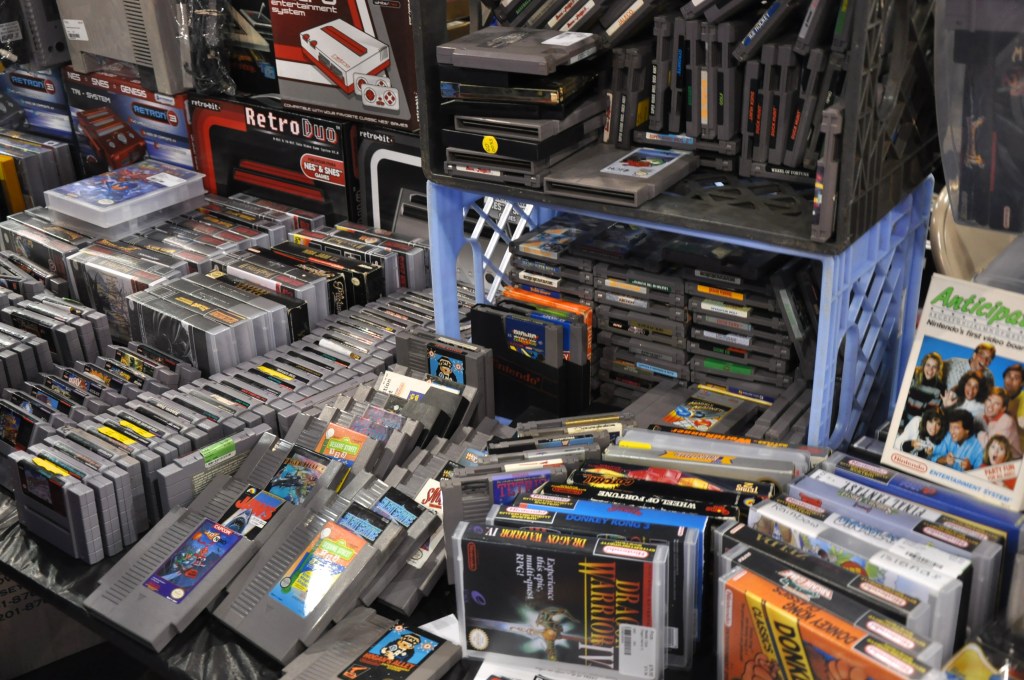
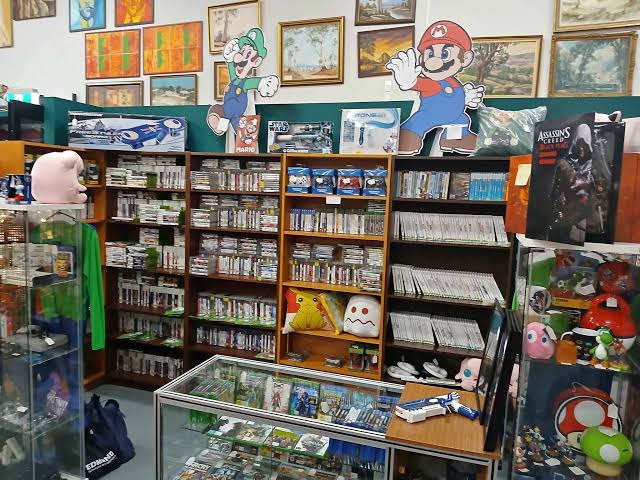
Beyond game preservation, Sony and Rockstar’s decisions to abandon the traditional physical disc raise a broader question of value in the gaming ecosystem. What people value varies from person to person. Some value the convenience of having every game available at the touch of a button. Others value the tactility of opening a box, placing a disc into a console, or feeling the resistance of a trigger pull through the PS5 controller’s haptic feedback. And some simply value the ability to resell their games on the second-hand market.
By removing the disc, companies are not just changing how players access games. They are removing the options players have to experience, share, preserve, and recoup value from them. More importantly, they are cornering the market. PC gaming’s mostly digital marketplace has only survived because of a thriving competitive ecosystem. Yes, Steam is the dominant store front, but Humble, Green Man Gaming, GOG, and others provide competitively priced alternatives. Console gaming does not have that same luxury. When a platform holder removes the second-hand marketplace, it can charge a premium and keep prices higher for longer, with far less pressure to compete against used copies.
After all, everyone is looking for value, particularly in a gaming landscape where games are becoming more expensive to develop and more expensive to purchase. But increasingly, the higher-ups at Sony and Rockstar seem to be creating value for themselves, rather than preserving value for the players.
 Gaming Acuity