
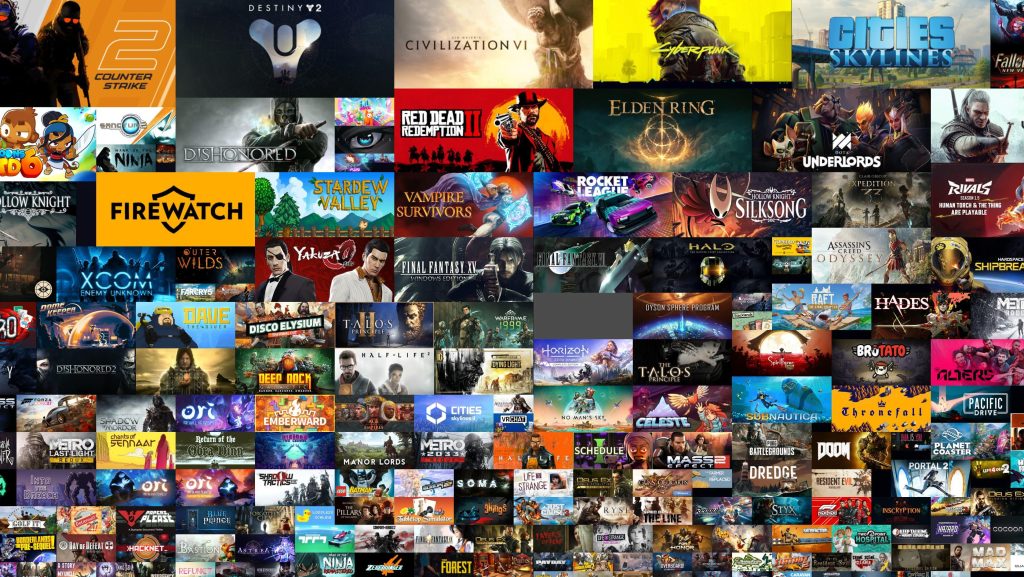
When I was young, the prospect of purchasing new video games outright wasn’t always realistic. Instead, my friends and I would stand in our local GAME store, craning our necks towards the screens locked behind the plexiglass windows. We jumped from machine to machine, playing demos on endless loops until the ache at the base of our necks became unbearable or the staff told us to move on.
If one of the games caught our collective interest, we banded together, saved what we could and bought a single copy between us.
That disc bounced from house to house, shoved into a backpack each morning, crushed beneath heavy textbooks and chucked into lockers. The case eventually cracked, and the disc scratched from constant swapping and the careless hands of teenagers.
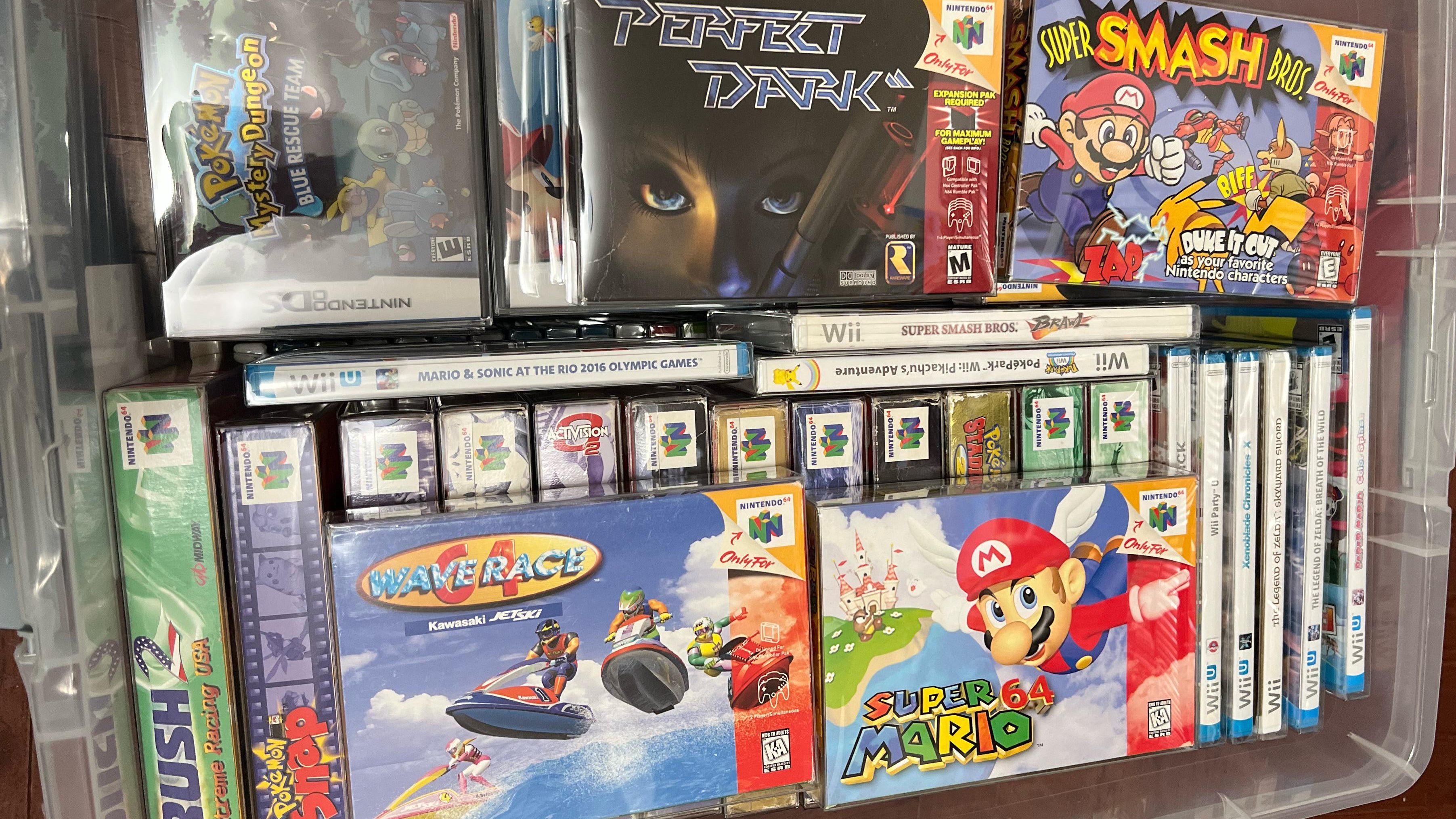
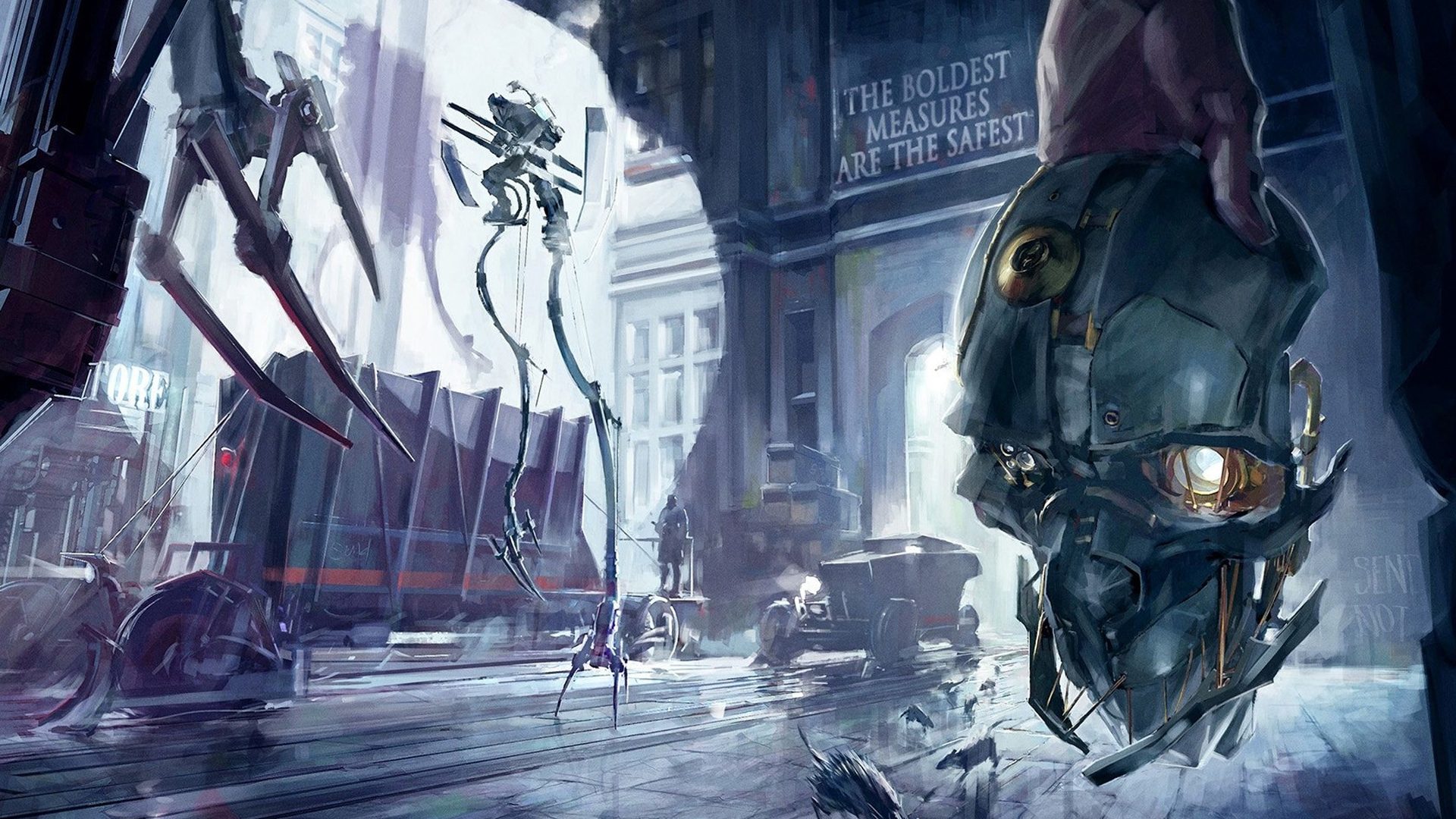
In 2012 we managed to get copies of Dishonored, Mass Effect 3 and Borderlands 2, circulating all three between us. Occasionally, we gathered in one house to fight over controllers or band together to blow the heads off psychos in Borderlands 2’s split-screen co-op. The discs turned whichever living room they reached into the place we all gathered.
Now, my entire game library is accessible at the press of a button, alongside more films and television than I could watch in a lifetime. I don’t resent that fact; it’s more convenient to install whatever I fancy, whenever I fancy. Especially when I travel.
But back then, had games been locked to whichever account paid for them, I would never have experienced what it was like to creep through Dunwall on my own terms or make my own choices as Commander Shepard, at least not until years later. At best, I’d have just heard the stories second hand.
I can still easily recommend my favourite games, but now, that recommendation takes the form of a trailer, review, or link to a store page. Back then, I could physically place the case directly into a friend’s hand and tell them, ‘Now it’s your turn’.

