
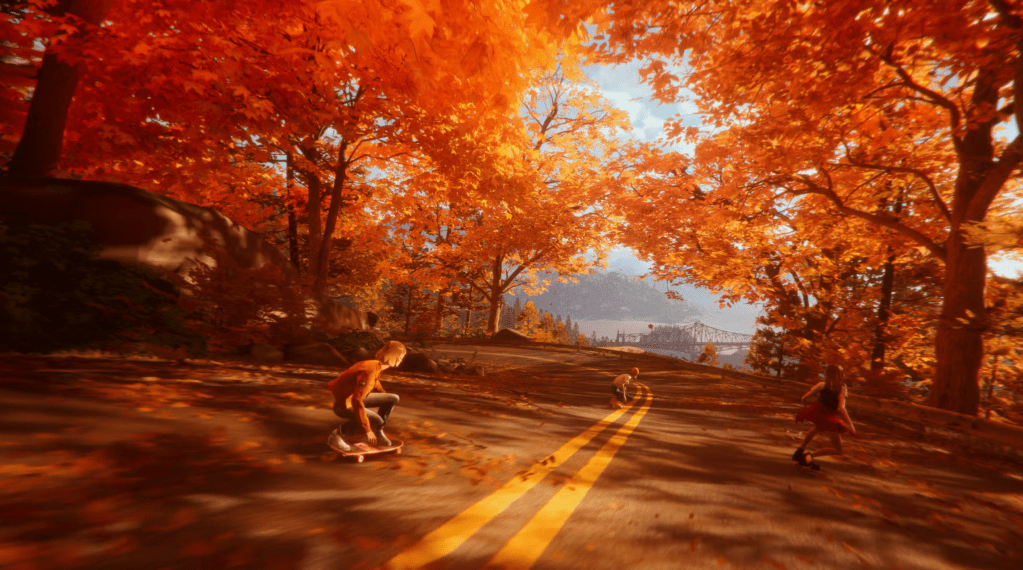
It feels comfortable skating down long, winding roads beneath the soft glow of a golden-hour sunset. Satisfying to launch a softball out of the park and watch your friend trudge off to retrieve it. And exhilarating to attend one final house party before stepping into a world of endless promise.
Mixtape, the new game from Melbourne-based team Beethoven & Dinosaur, possesses an unusual power. It transports you back to a time of fond memories, reckless friendships, first loves, and last summers. A time when you were young, wild, and carefree.
Except I never experienced any of that.
I was born in the United Kingdom in 1998, which means my experience of the late 1990s involved fewer risky parties and first kisses, and more nappies and carpet burns. In fact, I was too young to form any meaningful memories at all. I can claim to have lived through the decade only by technicality, in the same way someone can claim to have attended a party because they were asleep upstairs while it happened. I was there. But not really.
So why then, with no lived ties to that time or place, do I still feel nostalgic when I play Mixtape?
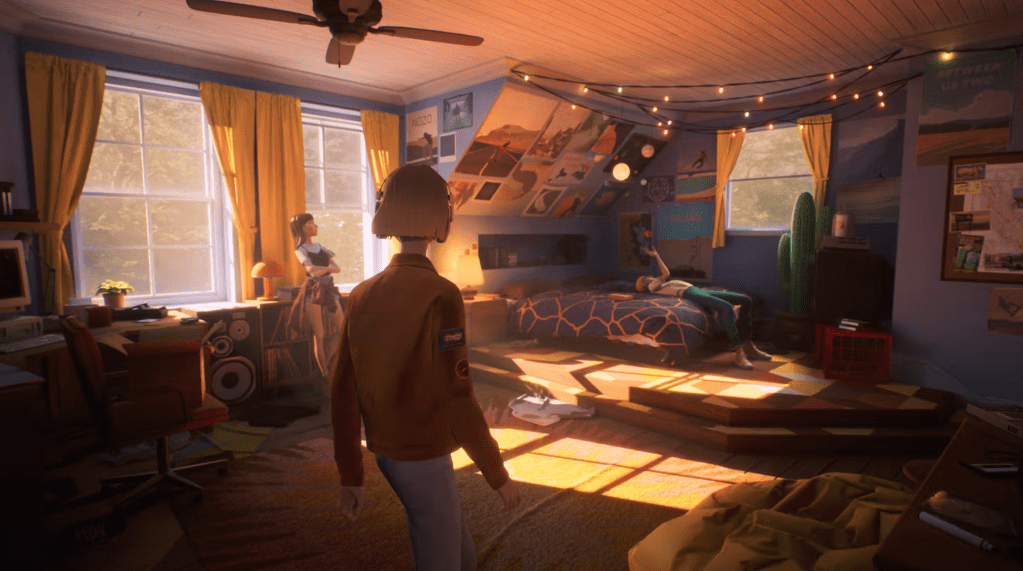
The game follows 17-year-old Stacy Rockford on her last day in 1999 before leaving her hometown behind. It is a coming-of-age story about adolescence and the transience of life, steeped heavily in the language of its John Hughes inspirations.
That, I think, is where much of my borrowed nostalgia originates.
Even growing up outside the era, films like The Breakfast Club and Ferris Bueller’s Day Off still featured in my childhood. The 90s American high school experience became one of the country’s essential exports, reaching far beyond the people who lived it first-hand. Yellow school buses, hallway lockers, cafeteria tables, football fields, and house parties feel designed for cinema.
The British school experience, by comparison, is harder to mythologise. School uniforms, grey skies, and damp fields don’t cast the same golden spell. They have their own charisma which lends itself to comedy or melancholy rather than a site of possibility. As such, I look at Mixtape’s version of American adolescence more fondly than my own transition from secondary school to university.
That makes the feeling stranger. Whatever nostalgia I have for the 1990s arrived through osmosis. Through my parents’ love of the decade’s cinema and music, and their desire to share that affection with my brother and I. They introduced us to the era’s defining media until, gradually, their hand-me-down enthusiasms became my own.
This is where the Mixtape itself becomes such a useful comparison. None of Stacy’s songs belong to her. They are a collection of artists that she’s admired and stitched together. Each track cuts from one feeling to the next, punctuating her coming-of-age story with melodies designed to trigger recognition in anyone who knows them.
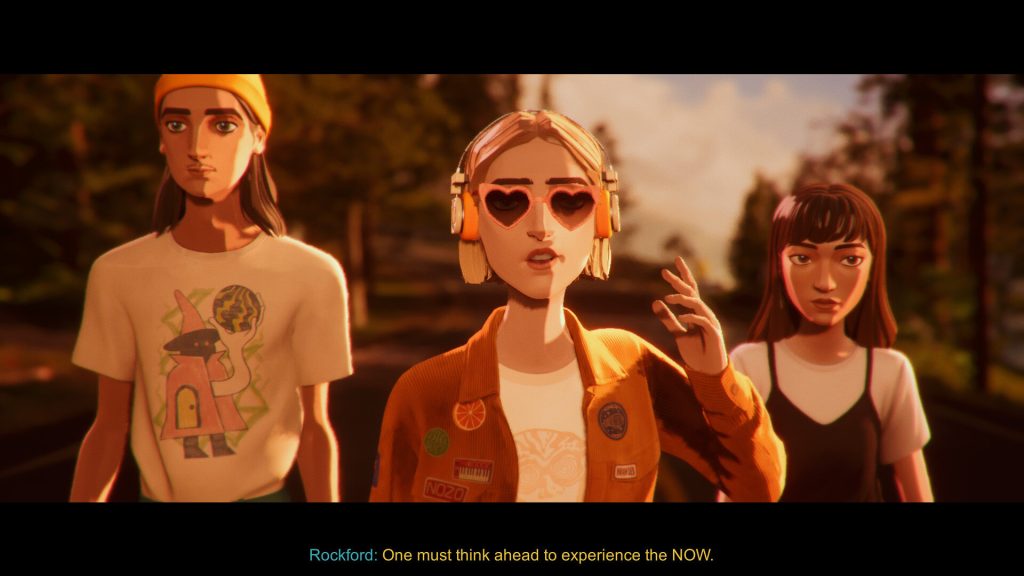
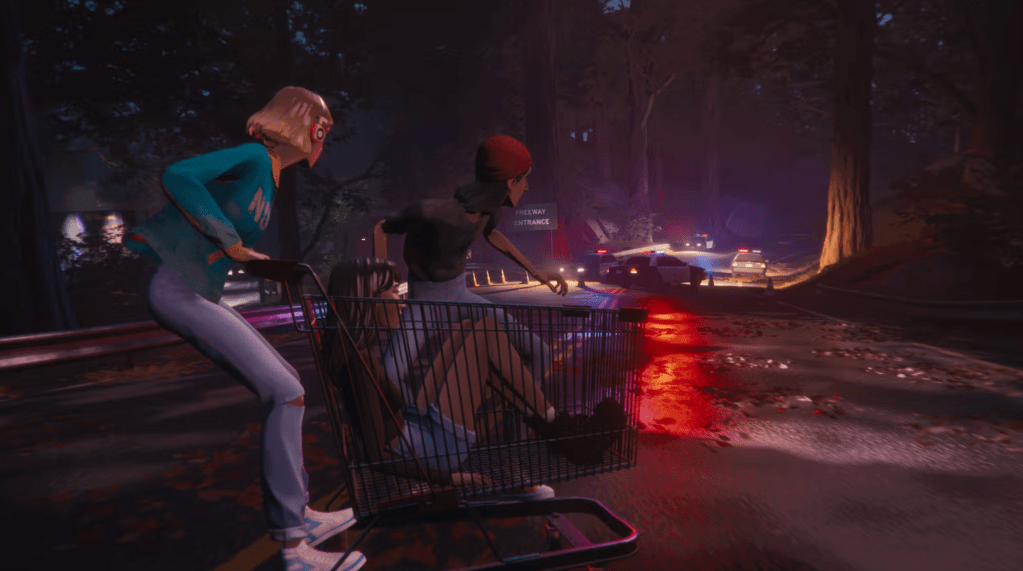
Music’s ability to break free from its original time and place is crucial to the game’s success. Stories about American high school have been exported so widely that they can struggle to surprise. The warm suburban dusk, the flashing police lights, the toilet-papered house are images so recognisable that they begin to resemble memories. At the same time, without careful handling, that familiarity can curdle into cliché.
It’s the music, then, that is the linchpin holding Mixtape together. The tracks inject new life into an image we have seen a hundred times.
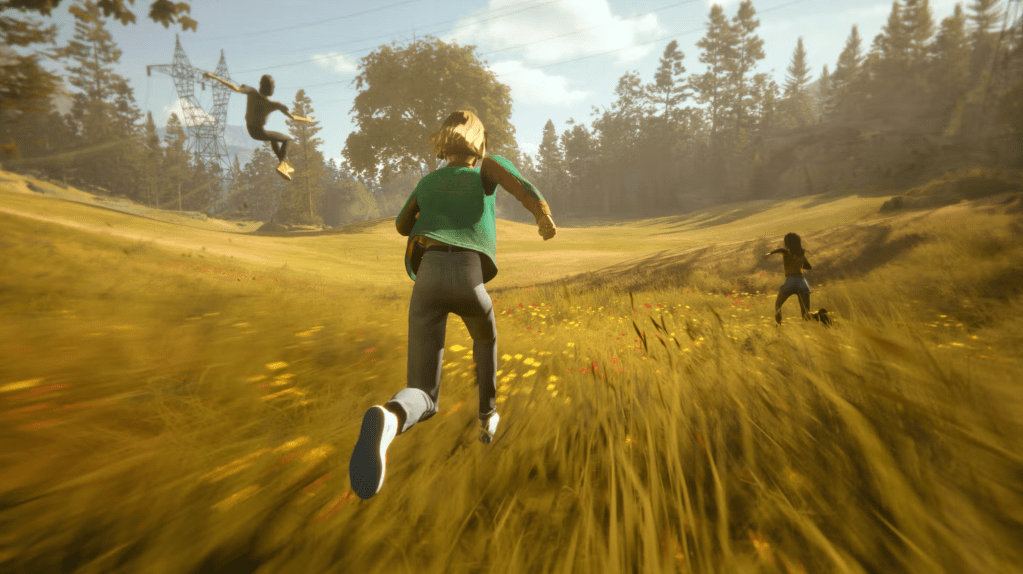
The game’s scattered interactive elements push that feeling further. Its mechanics are sparse, but the simple act of making the perfect slushie, bounding through a field, or skimming a rock gives each moment a greater physical intimacy that film cannot always reach.
Yet that same interactivity can also break the spell. Video game immersion is fragile, and all it takes is an on-screen prompt or awkward control scheme, and suddenly you’re playing a game about a forgotten memory, rather than re-living one.
For someone who’s never experienced that time or place, any fractures in the immersion are devastating. I’m nostalgic for the cultural representation of the 90s and the promise embedded in those films, albums, and games. A promise of a future teeming with endless possibility.
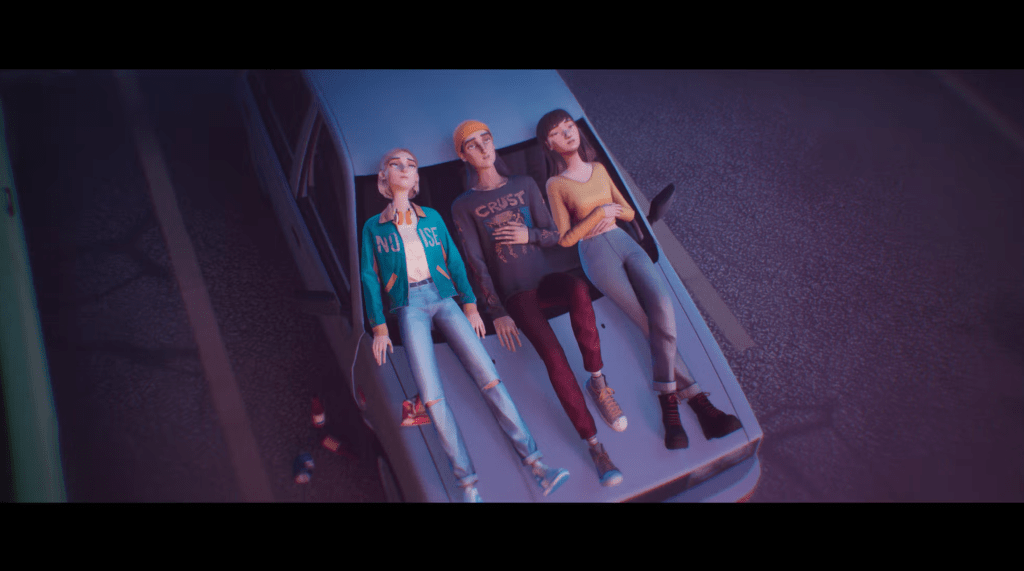
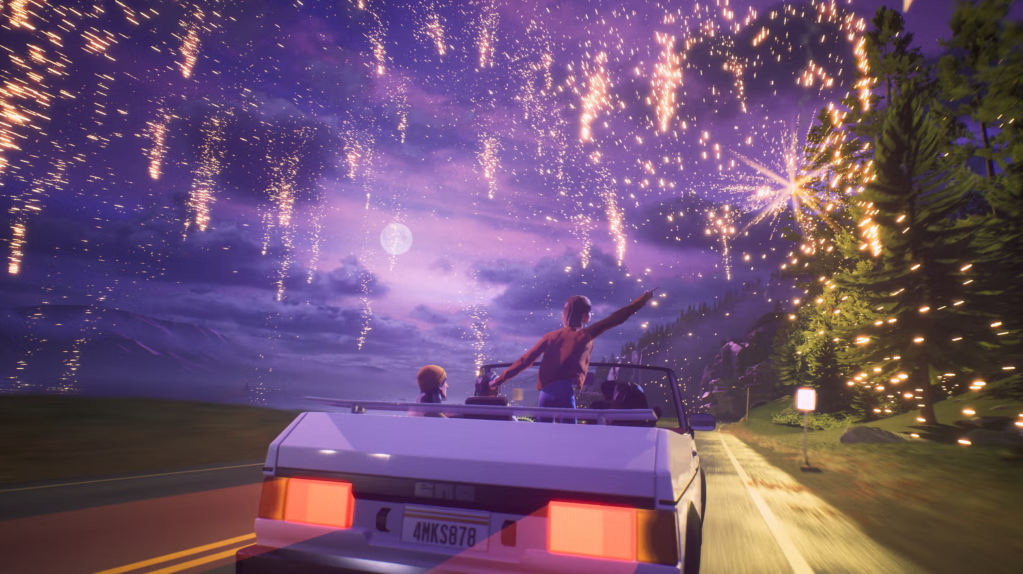
When we play games like Mixtape, we are not necessarily asking to be transported back in time. Some of us have no experience to return to. What we want is access to the emotional conditions of those stories. The feeling that our friends will always be close, that we are free to do what we want, and to wake up every morning feeling like the world is a canvas of limitless potential.
So maybe my borrowed nostalgia should not be confused with false nostalgia. Instead, it’s simply proof that culture can give us memories of lives adjacent to our own.
I was there, but not really. And somehow, Mixtape still makes me miss it.

