
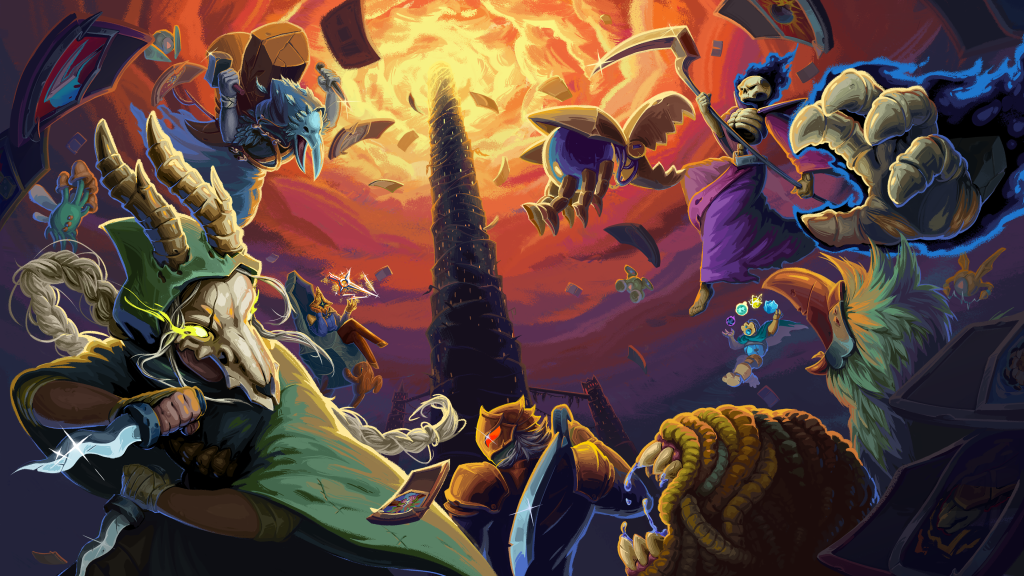
Is Slay the Spire 2’s Early Access Giving Players Too Much Control?
The first Slay the Spire taught me how to succeed. When to remove cards, when to take a curse, when to block, when to take a risk, when to pass on a card because it looks powerful now, but it might be the death of me in three floors time. The challenge facing Slay the Spire 2 is not introducing players to the Spire so much as welcoming back those who already intimately familiar with it. Many players are arriving at its base with hundreds of hours of experience and almost a decade of community knowledge. But not everyone. For others, Slay the Spire 2 is their first time experiencing the spires intricacies, and Mega Crit has to design for both groups simultaneously.
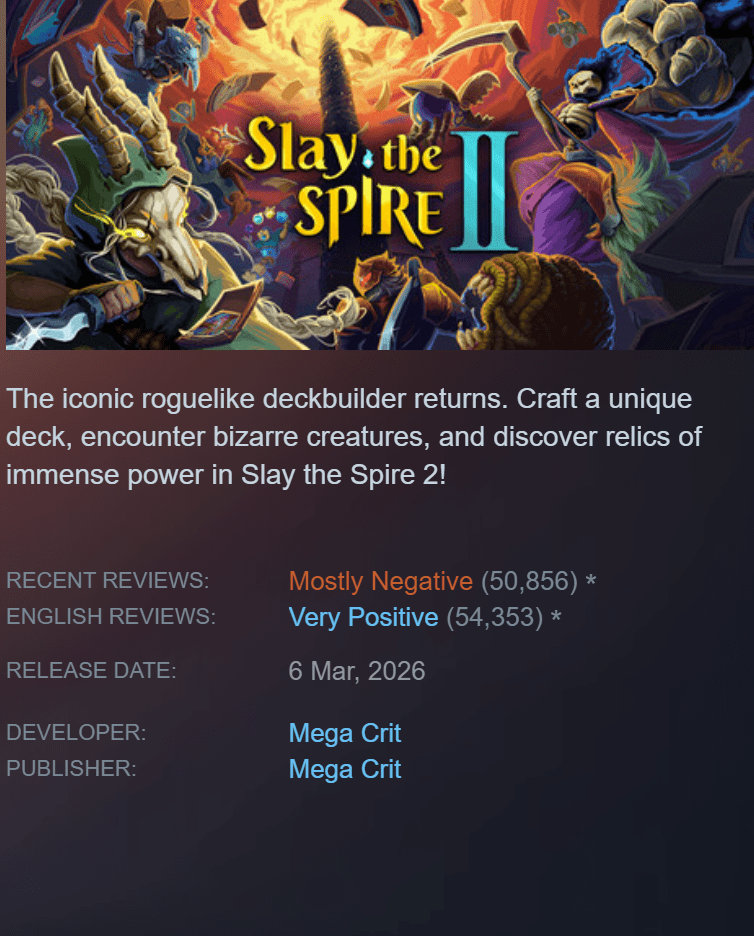
Slay the Spire 2 launched into Early Access on March 5, 2026, and Mega Crit have been explicit with the terms of this strange contract. The game needs players to balance test experimental features, and an in-game feedback tool to help guide development. Early Access is the perfect solution. But it has created a tension between Mega Crit and its players. Players are actively participating in the design process, and every patch note is becoming an opportunity for players to argue about the game’s direction.
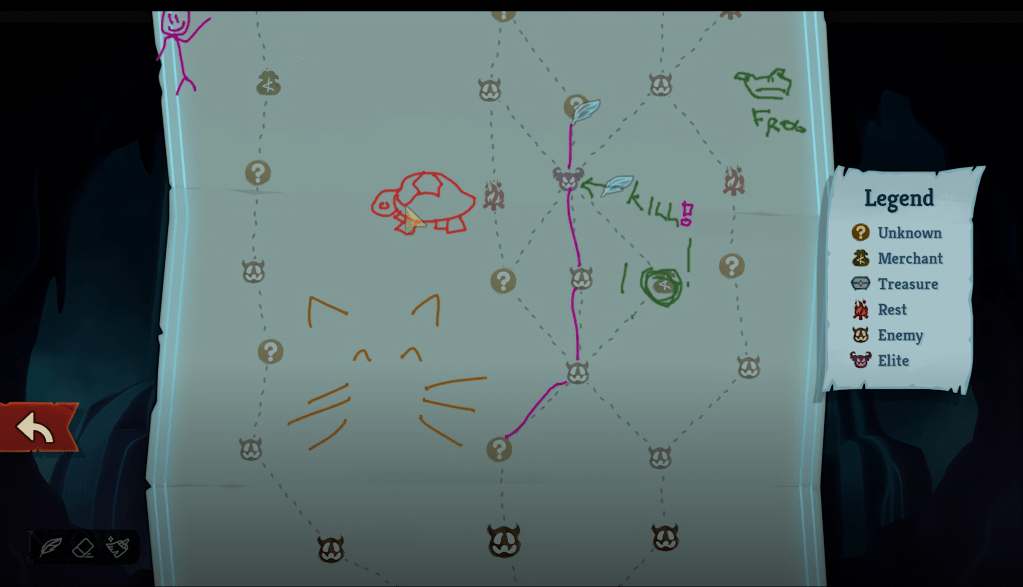
Slay the Spire has long been my go-to roguelike. After enough time, its randomness started to feel more like a puzzle. The boss at the end of the act is the lock. My carefully crafted deck is the key. The pleasure comes from realising, sometimes too late, that the key you brought doesn’t fit the lock.
The Door Maker is the perfect distillation of the tension. The bosses first iteration had you breaking through debris to expose the boss providing a brief window for damage before it retreats. It was simple. Perhaps too simple. A later, updated, version made the fight more demanding, adding mechanics that interfered with the foundations of many successful decks. Exhausting your cards, restricting how many you could draw, and reducing your energy. In other words, Doormaker did not simply check if your deck was strong, it challenged whether it was adaptable too.
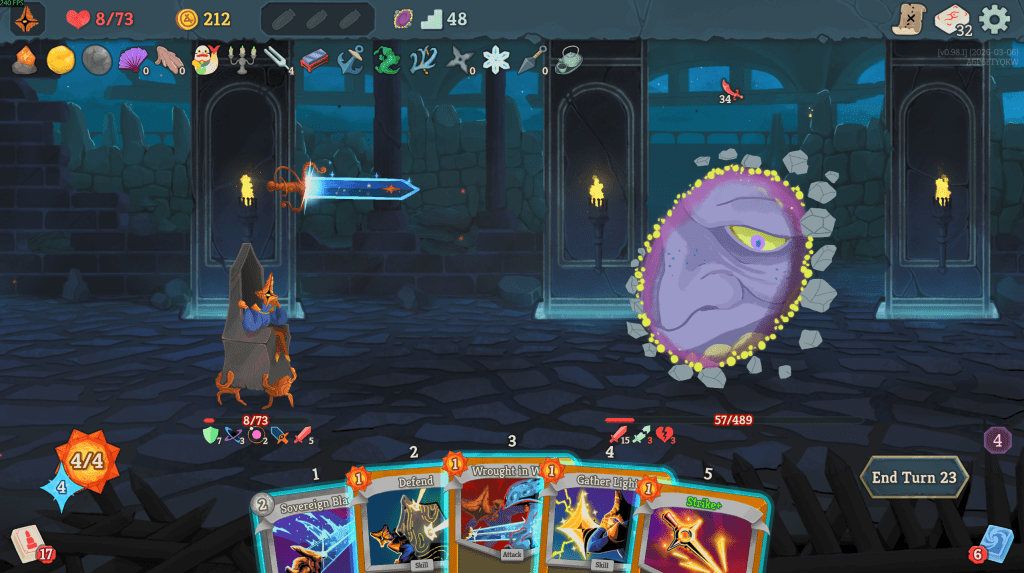
I loved that challenge. As someone intimately familiar with the first game, I found the revised Doormaker compelling because it forced me to think three or four fights ahead and build more carefully around its mechanics. It made Act 3 feel like a test of foresight rather than momentum. But I understand why the boss divided fans.
The first time Doormaker sapped my energy for playing the Silents zero cost shiv cards, I didn’t feel unlucky. I felt like the game had surgically exploited my only weakness. There is still potential for outplay but it can feel unfair when the boss invalidates the knowledge you cultivated for years playing the first game.
That feeling is what sparked the backlash towards Slay the Spire 2. GameStop reported that the game’s Steam rating shifted sharply in line with Doormakers difficulty increase. Recent reviews are mostly negative with a significant concentration of the negativity coming from Chinese language reviews. Steam being the countries only reliable way to provide feedback. But beneath the discourse is an interesting design question: how do you make a sequel to a game people have already spent years mastering? Make it too familiar and veterans complain that nothing has changed. Push it too far and newer players feel punished before they’ve even learnt the rules.
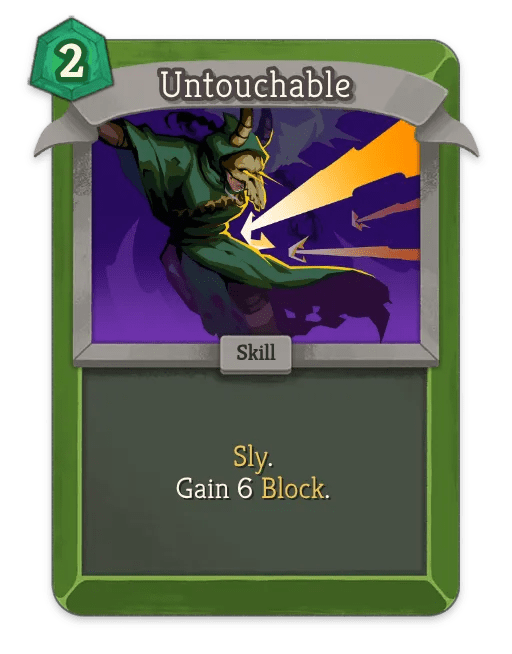
Slay the Spire 2 tries to keep the bones of the first game while rearranging enough of the organs to keep surprising players. The sequel makes changes like the new ‘Sly’ keyword, which plays cards for free when discarded, immediately asks players to reconsider how they approach each encounter. The new Necrobinder and Regent characters are more complicated than the returning Ironclad and Silent and reinvigorate a sense of discovery and challenge.
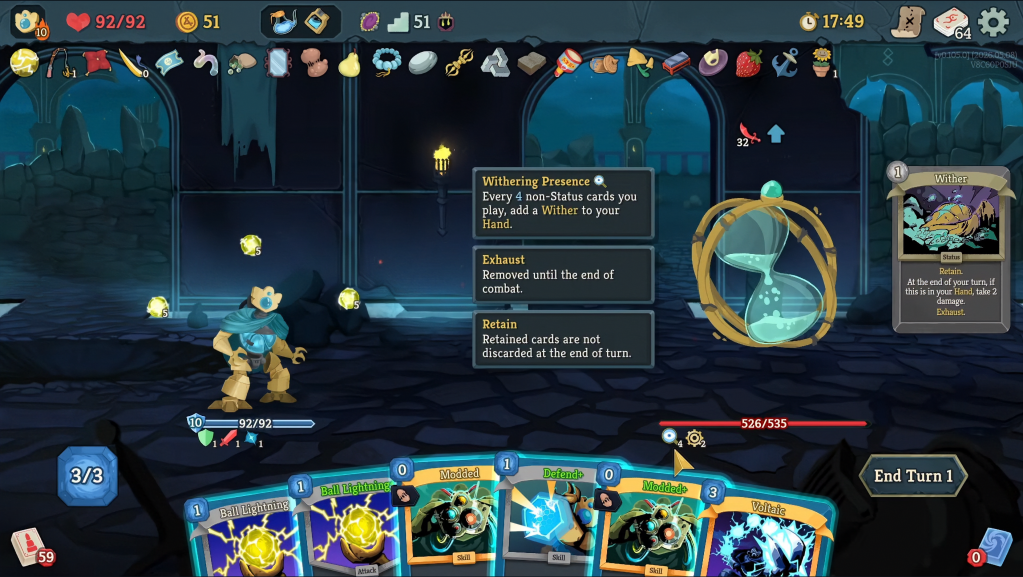
For many, the Doormaker took this philosophy a step too far and Mega Crit has responded by replacing the Doormaker with an entirely new boss, Aeonglass. The studio explained that while Doormaker required interesting micro-decisions, it was “over the complexity threshold” they wanted for an Act 3 boss. The issue was not simply whether Doormaker was too hard but that players thought it was asking too much, too late into a game already trying to balance for veterans and newcomers.
That’s why balancing a game alongside the player base in Early Access is so fraught. Mega Crit isn’t just adjusting card balance or boss mechanics, it’s negotiating with its players. Every buff, every nerf, every boss rework and replacement is up for public scrutiny. The players don’t get to design Slay the Spire 2, but in Early Access they do get to argue, publicly, about what kind of game it should become.
And I wonder how different the game would be if that wasn’t the case.

