
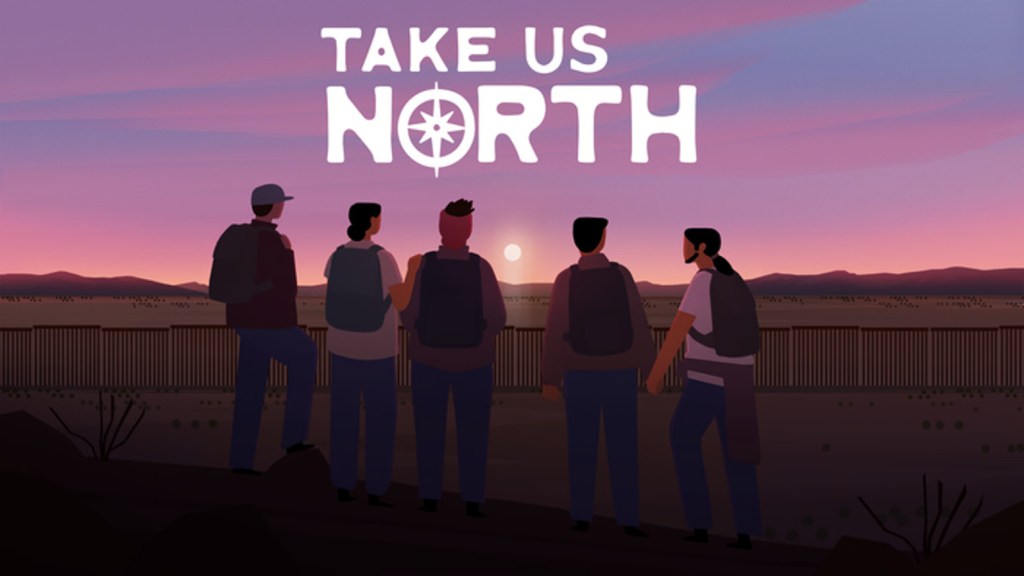
There is a difference between watching someone cross a border and being asked to lead them across. When a game hands you control and when progress depends on your choices, that distinction begins to blur. Even if it is only a collection of pixels on a screen, the decision feels personal. You are no longer simply observing events; you are implicated in them.
When Take Us North was accused of being propaganda, the charge arrived swiftly and without much opportunity for rebuttal. The title from indie developer Anima Interactive was pitched as a narrative-driven game exploring immigration across the U.S.–Mexico border, built on research conducted in border towns and interviews with migrants and humanitarian workers. According to its creators, the project aimed to shed light on the migrant journey, the harsh conditions it entails, and the complexity of the political subject.
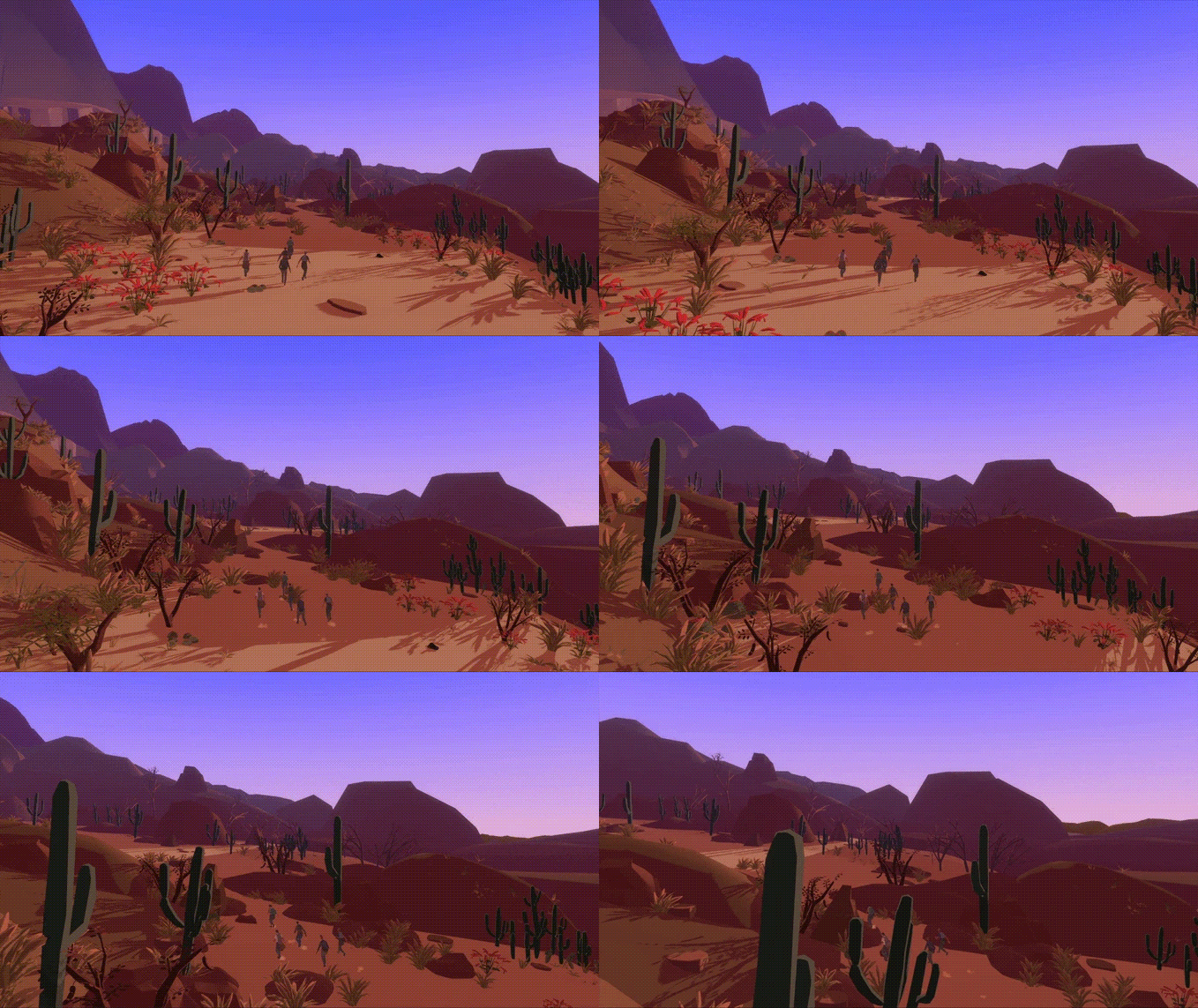
Games have long struggled to find safe footing when engaging with politically sensitive material, not because they lack nuance, but because interactivity erodes the distance that other media can rely on. To play is to participate, and when a story is both controversial and ongoing, that participation can feel uncomfortably close to choosing a side.
This tension is not unique to Take Us North. Games attempting to depict real-world conflicts are routinely scrutinised not only for what they show, but for what their systems imply. Unlike passive media, games — intentionally or not — encode values through their mechanics, rewarding certain actions while punishing others. The question is not whether such games are political, but whether interactivity can meaningfully occupy an ambiguous space when the history it draws from is still ongoing.
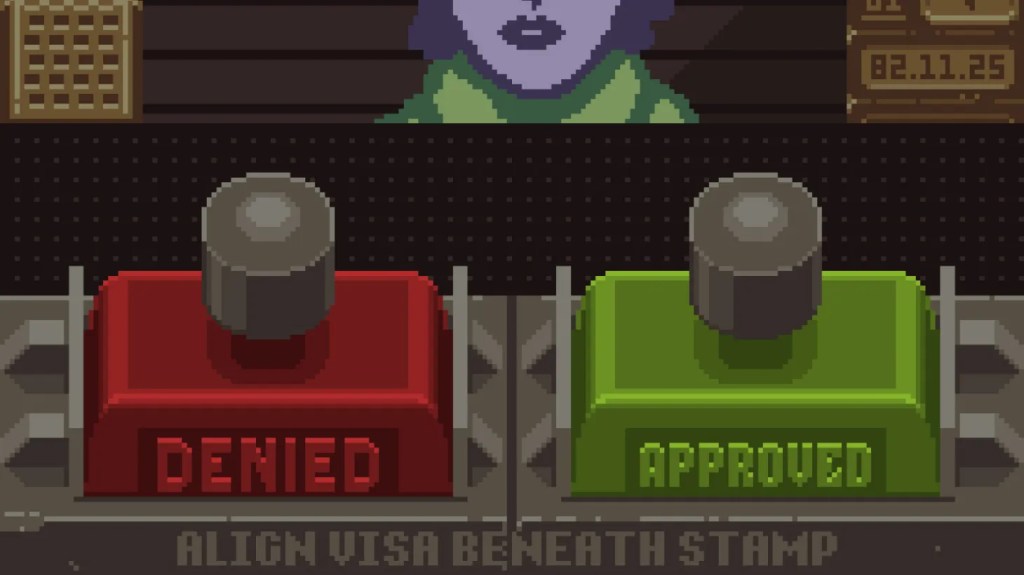
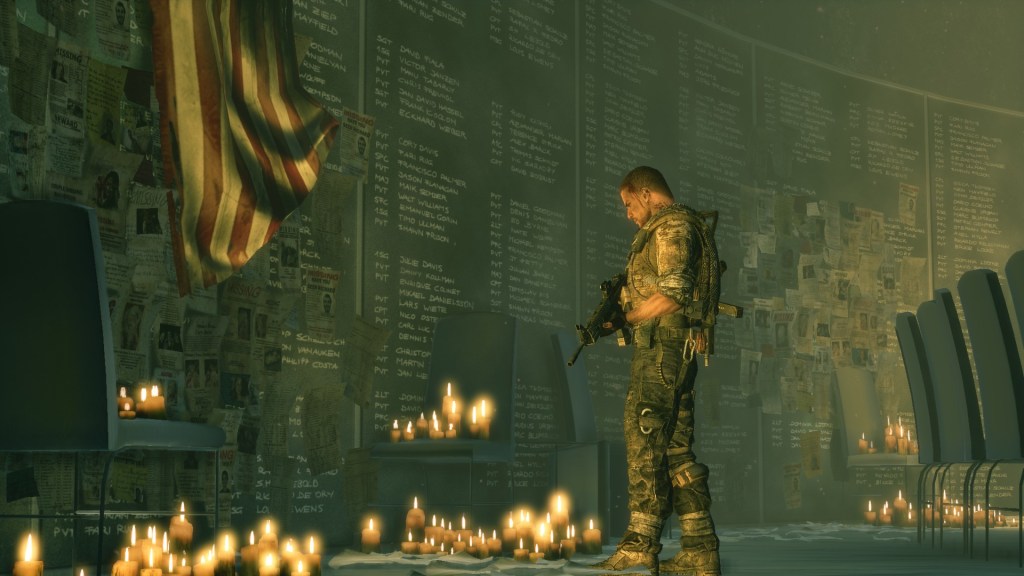
For much of the medium’s history, games that tackle political or social conflict have done so carefully, removing any aspect that could implicate them or be seen as taking sides. Even when implementing recognisable systems or mechanics, they tend to rely on abstraction or metaphor to create a comfortable distance between the player and the subject matter. Papers, Please, for example, reduces the human cost of immigration through its fictional Soviet-inspired nation of Arstotzka, allowing players to engage with its moral dilemmas without specificity. This War of Mine grounds its portrayal of civilian suffering in a fictionalised, nameless conflict, allowing the experience to resonate without tying it to a specific political narrative. Spec Ops: The Line, meanwhile, delivers its critique of modern warfare through allegory, condemning the concept of war rather than diving into real-world politics.
Taken together, these games reveal an important design principle. When political meaning is a driving force in a story, distance between the player and the subject becomes essential. Fictional settings soften the material, making it more approachable while still demanding the player’s inward reflection. They allow players to feel discomfort and empathy, and to engage with difficult ideas without turning them into activists. It is this balance that gives stories their power while still adhering to an underlying truth: these are video games, and most players approach the medium for entertainment.
Where many politically charged games rely on fiction to create distance, Take Us North largely abandons that concept. The project was grounded in real geography, real conditions, and real people — most of which remain part of an ongoing crisis. Members of the Anima Interactive team travelled to border towns to interview migrants and humanitarian workers, positioning the game as a lived journey rather than an abstract commentary on immigration.
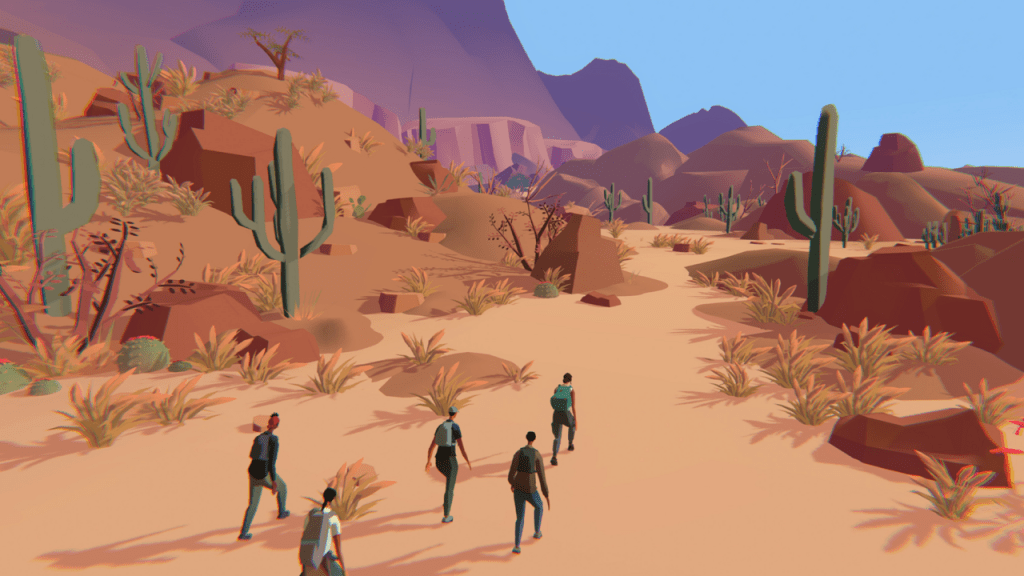
By asking the player to guide migrants north — through perilous terrain, while managing supplies, and, crucially, evading Border Patrol — the game’s systems take on moral weight. Progress becomes an implicit good, and failure carries a human cost. Without a fictional buffer, these mechanics are easily interpreted as endorsement. What may have been intended as an effort to humanise those who suffer these conditions instead risks being read as advocacy for illegal border crossings. There appear to be few alternative vantage points from which to view events, and limited opportunity to engage with differing perspectives, making it difficult to see the game as balanced.

What makes the discourse surrounding Take Us North particularly revealing are the conditions in which it took shape: a politically unresolved issue portrayed through a medium that requires active participation. In this case, the controversy did not merely surround the game — it engulfed it entirely, illustrating how quickly developers can lose control of their own story.
Much like Take Us North, Six Days in Fallujah, initially announced in 2009, found itself under intense public scrutiny. Before its planned release in 2010, developer Atomic Games withdrew the project following widespread criticism over its handling of trauma, concerns about propaganda, and fears that it trivialised a tragedy still fresh in public memory.
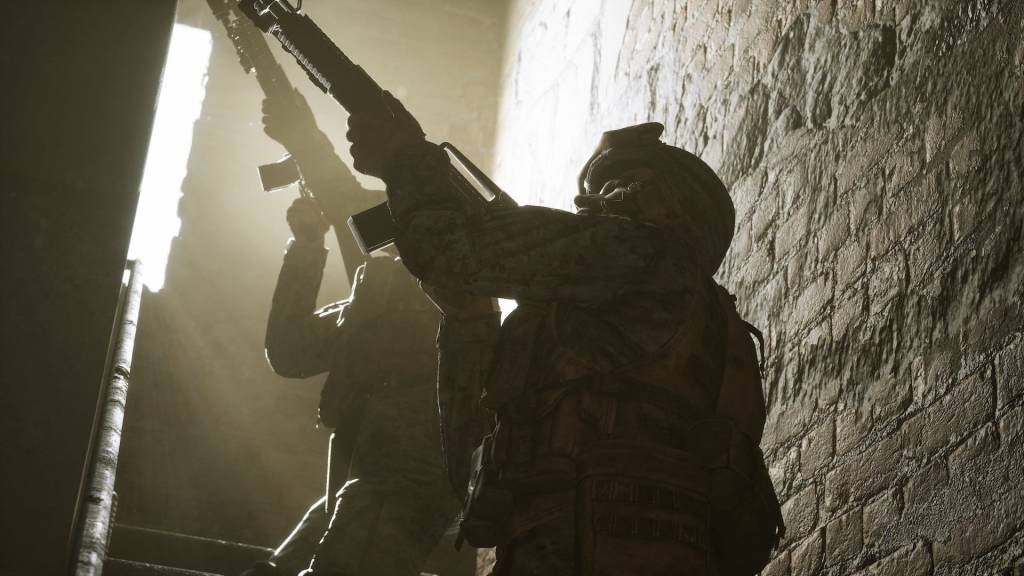
In its revived form, Six Days in Fallujah adopted a different strategy for managing its proximity to historical events. Rather than relying on abstraction or fictionalisation, it grounded its approach in authority. Extensive interviews with U.S. Marines and Iraqi civilians were used to position the game as a reconstruction rather than an interpretation of events. Tactical realism and documentary-style storytelling helped to stabilise criticism.
Several other factors also allowed this revival to address — or at least dampen — some of the original concerns. More than a decade had passed since the initial announcement, allowing time for public reaction to soften. The game promised to teach history through accuracy and context, including the perspective of an Iraqi civilian family. This broader framing aimed to present a more rounded account of the conflict, allowing players to engage with multiple facets of the conflict.
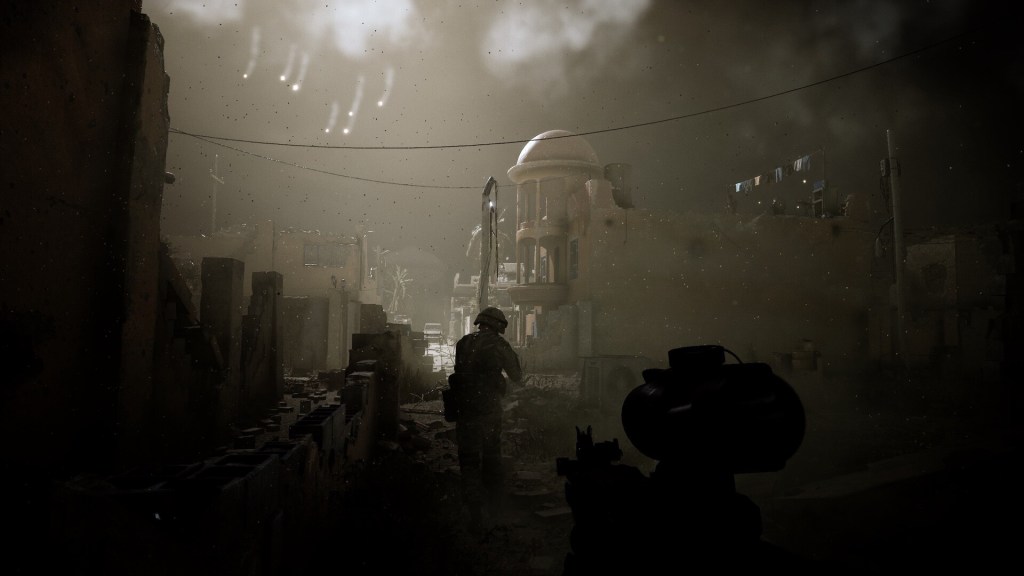
This did not eliminate criticism entirely. Groups such as the Council on American-Islamic Relations (CAIR) continued to argue that the project should remain shelved. However, it did temper the intensity of the controversy by presenting the game as a space for exploration — a way for those interested in the conflict to engage with its history without feeling pushed toward a singular political position.
What Take Us North and Six Days in Fallujah ultimately reveal is not a lack of nuance, but the limits of gaming’s neutrality. Books and films present events to be observed, but granting players control places them uncomfortably close to ownership of the actions on screen. As games continue to engage with living history, the question may no longer be whether they can avoid politics, but whether the medium is an appropriate vessel for navigating delicate political landscapes — and whether its audience is prepared to sit with the discomfort that emerges when playing through unresolved conflict.
Following the August 2025 backlash to Take Us North, its developer, Anima Interactive, appeared to go silent on social media. As of this writing, there is still no update on whether the game will be released.
 Gaming Acuity
Leave a comment