

In 2024, Larian Studios CEO Swen Vincke took to the stage and delivered an iconic speech – one that practically called out the entire video game industry for its shortcomings: corner-cutting, creative compromise, and crunch culture. He proclaimed that he would not only be the first person to know who would win Game of the Year, but that he knew the winner for every year in the foreseeable future.
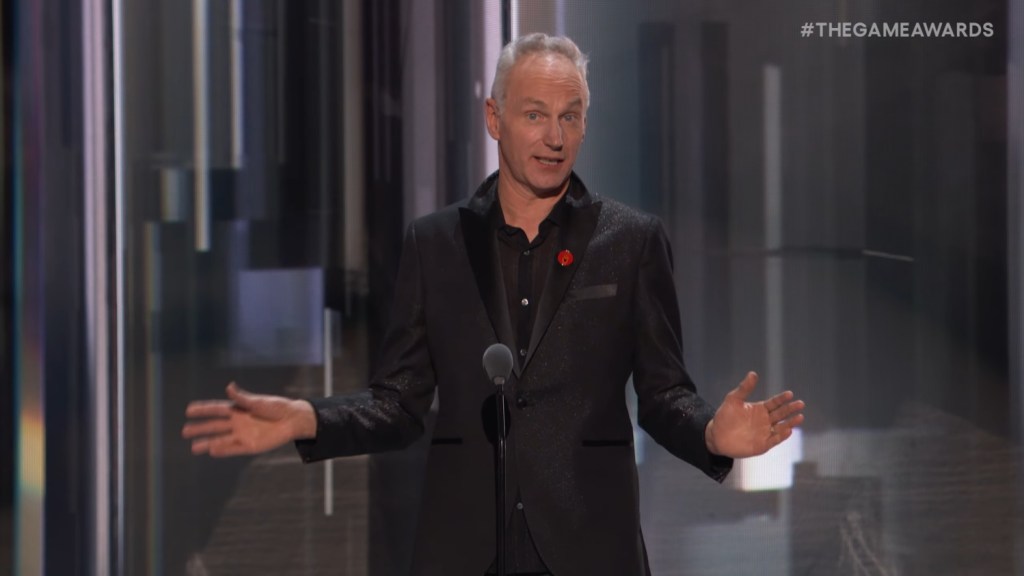
The winner, he claimed, would always be the same kind of team: the studio that “makes the game it wants to make, makes the game it wants to play” – a game driven by passion, without compromise, and untainted by the corporate greed that plagues much of the industry.
A year later, the industry seems to have validated Vincke’s prediction.
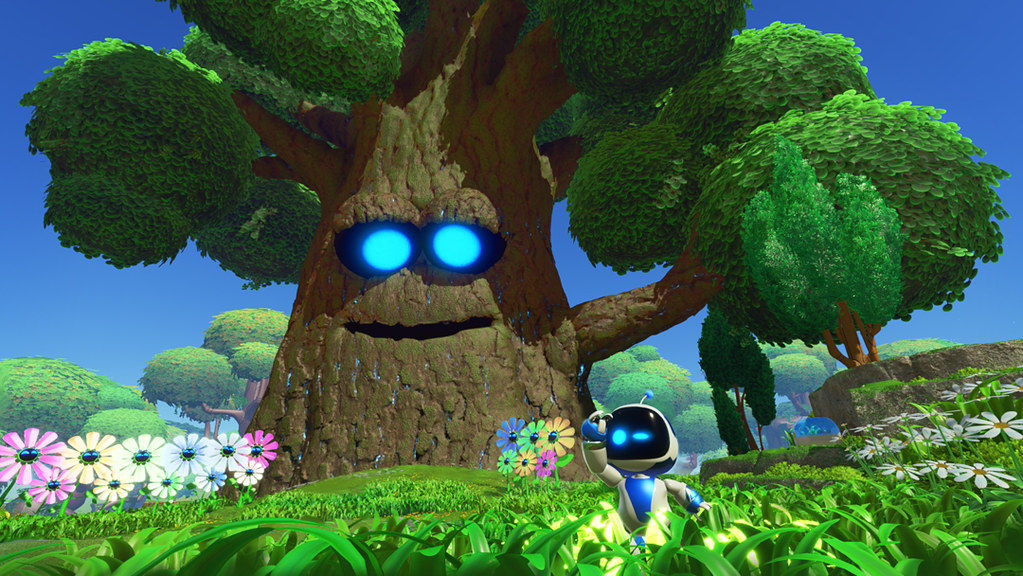
In 2024, Astro Bot won Game of the Year, unsurprisingly proving Vincke’s so-called oracle correct. Team Asobi infused the game with enough Easter eggs, secrets, power-ups, and playful stages to fill three or four 3D platformers, let alone one. Every stage radiated a sense of playfulness that many players thought the medium had long since lost. Paired with the tactile haptic feedback of the PS5’s hardware, it created the closest thing to real childhood play that any virtual medium can offer. Team Asobi’s unwavering desire to create something charming and joyful allowed the game to thrive, exactly as Vincke predicted.
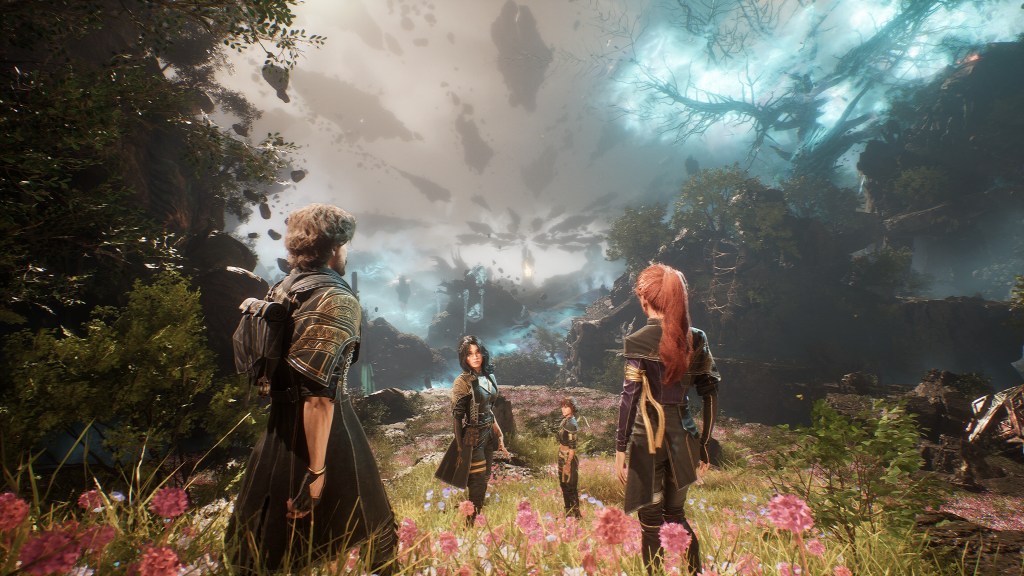
Fast forward a year, and a new winner has been crowned: Clair Obscur: Expedition 33. More than simply an outstanding release, Clair Obscur has become the poster child for a broader change in attitude across the industry – a shift towards uncompromised, unapologetic game design.
Development began back in 2019, when Guillaume Broche, a former Ubisoft employee, set out to create a classically inspired JRPG. He went on to form Sandfall Studio alongside close friends and collaborators, many of whom were discovered through online forums and message boards. Most were completely new to the industry.
It was a small, passionate team that went on to achieve something monumental: a sprawling, artistic adventure inspired by the Belle Époque. The developers held a clear, singular vision – they knew what they wanted to create, and what they wanted to play – and that vision remained steadfast from start to finish. That focus and conviction resulted in something genuinely special.
Sandfall Interactive are only the tip of the iceberg. Being nominated for a record-breaking twelve awards at The Game Awards and winning nine of them inevitably casts a blinding spotlight – one that risks overshadowing other remarkable experiences built on the same philosophy.
Hollow Knight: Silksong, from Team Cherry, endured a lengthy seven-year development cycle. Originally conceived as DLC, the project spiralled as the developers realised they were simply having “too much fun”. It shows: every inch of Pharloom is dense with secrets, challenges, and eccentric characters that could only emerge from a place of genuine passion. In almost any other year, it would have comfortably walked away with the title.

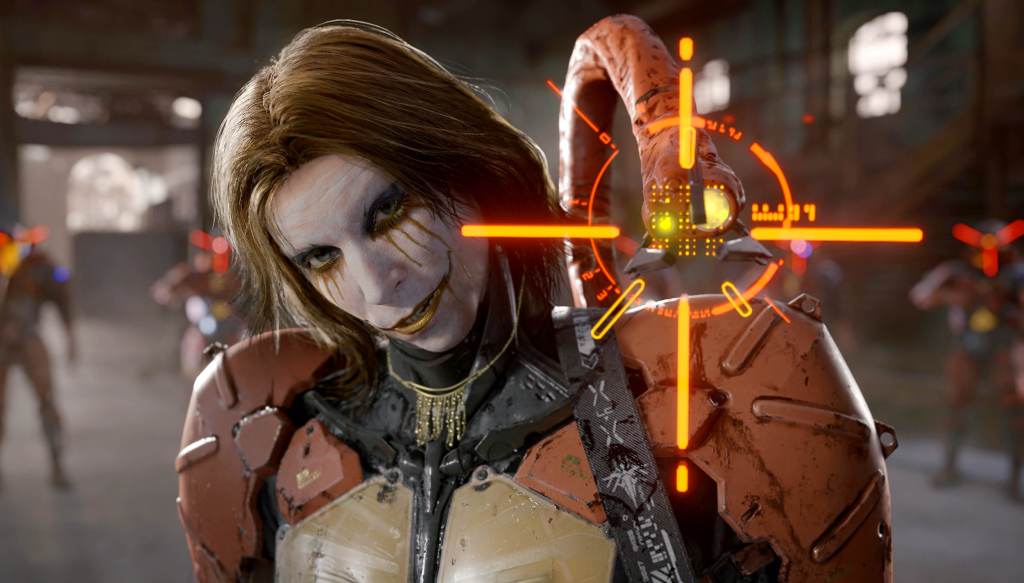
Almost every Game of the Year nominee adhered to the same philosophy Vincke’s oracle so plainly laid out – including the king of doing whatever he pleases, Hideo Kojima. Death Stranding 2: On the Beach is more palatable than its predecessor, more willing to invite a wider audience in, yet it remains unmistakably Kojima. A journey across Australia to reconnect a fractured society, it is interwoven with his signature blend of surreal cinematography and social commentary. His games aren’t for everyone – and that’s precisely the point. Players are encouraged to draw meaning beyond the surface narrative, forging a more personal connection with the experience.
This is what the video game art form is meant to be: developers creating the games they want to make, without pandering to focus groups or chasing corporate quotas. Unapologetic game design doesn’t mean ignoring players – it means trusting them. Trusting them to make the purchase and put faith in what the artists create. 2025 has been one of the strongest years gaming has ever seen, packed with genre-defining blockbusters. More importantly, it has proven the oracle right, paving the way for a future where creative conviction – not compromise – leads the industry forward.
 Gaming Acuity
Leave a comment