

TLDR: Live-service games promise ever-evolving worlds with endless content. But the longer they go, the harder it becomes to stay invested. Nobody wants a great game to end — but knowing that it will makes the experience all the more meaningful.
A Short Hike (Adam Robinson-Yu) is one of my favourite games of recent years. I’d go as far as to say it’s perfect — not because it’s the most technically polished or mechanically complex game I’ve ever played, but because it tells a concise, excellently crafted story and executes its vision flawlessly.
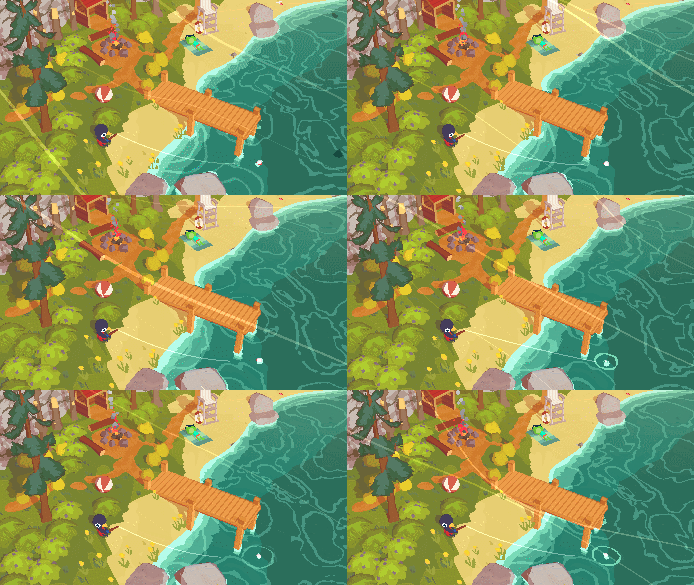
For those who are unfamiliar, A Short Hike has you wandering through the peaceful landscape of a national park on your way to the summit of Hawk Peak — a rite of passage of sorts, one that generations before you have embarked upon. It’s not a long game, and most players will see the credits in under an hour, but in that time it does everything in its power to distract you from your goal. It’s full of charming characters, entertaining side quests, and a world that feels quietly alive — all of which are equally, if not more, interesting than the allure of what awaits at the top of the mountain.
And yet, at some point, you have to reach the summit and when you do it’s every bit as rewarding and poignant as the journey itself. The final moments see you gliding back to the cabin where it all began, revelling in the beauty of the landscape you just traversed. When I finished A Short Hike, I experienced a satisfaction and joy that are inevitable when a game hits every note you hoped it would. But overriding that was a profound sadness. My time with the game was over. As I descended, I knew replaying it could never recreate that first ascent.
So, I put it to rest. Uninstalled it. And moved on.
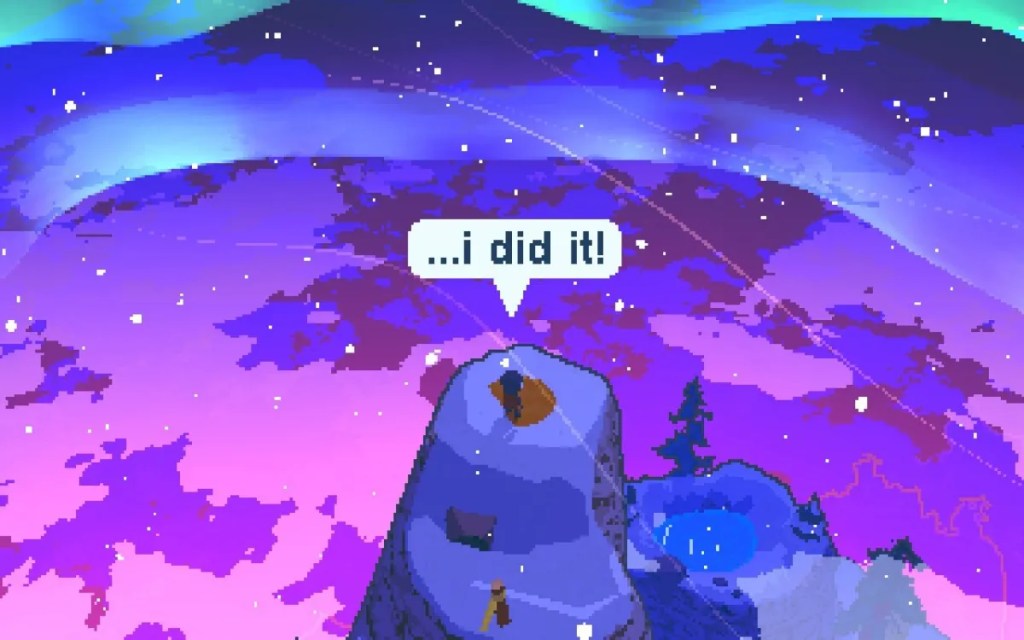
This is a feeling I believe everyone is familiar with. When I was younger, every summer holiday we’d travel down to a small cluster of islands off the coast of Cornwall. We’d spend days running across beaches, hiking, and breathing in the stunning surroundings. But even as a kid, I felt that looming feeling that the trip would have to come to an end. That inevitable return to normality that always came too soon.
But endings are what make those moments, those trips, so precious. Looking back, I don’t see sadness. Instead, I see a flood of positive memories deeply etched into my psyche. A Short Hike told the story it wanted to tell — it affected me deeply, and I’ll remember it because it ended the way it did. Just as those childhood holidays became permanent memories.It’s a reminder that all good things must come to an end.

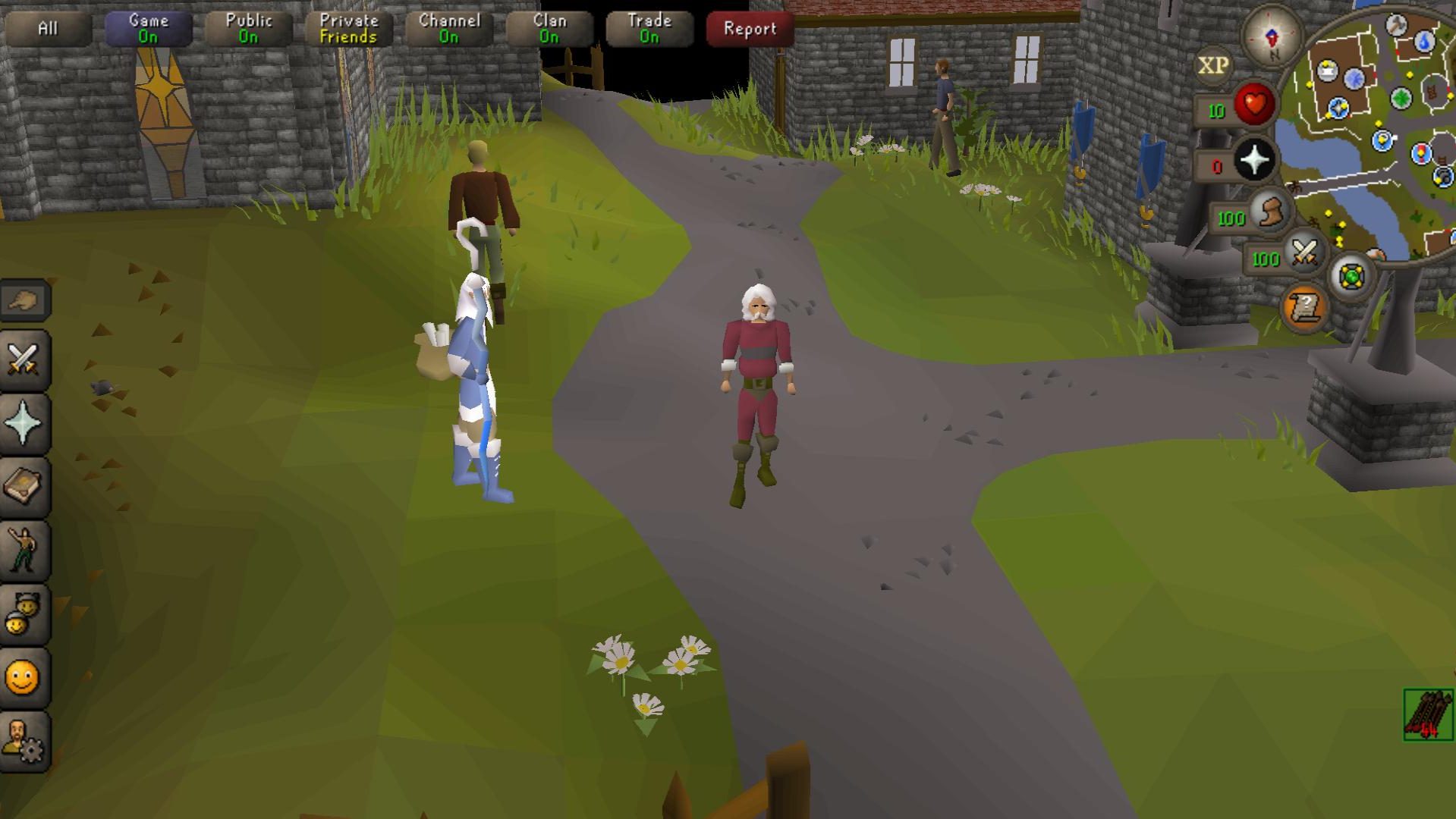
Over the last decade, the video game industry has drifted further and further from the curated experience. The ‘games as a service’ model has reshaped how games are designed and played. The idea isn’t particularly new — Ultima Online and RuneScape were doing it in the late ’90s, delivering persistent online worlds that evolved alongside their players. Games like World of Warcraft refined that formula, promising infinite adventure in exchange for your time and attention. At their best, these games created enormous communities and enduring friendships that could only exist through this type of ecosystem.
Fast forward to now, and we’re surrounded by the remnants of that model. Fortnite, Destiny 2, Apex Legends, Roblox, and Rocket League — all different genres, but all fighting for our time, built on systems of repeated engagement. Many narrative driven games have started to borrow the language of live service: seasonal content, battle passes, gear grinds, anything to keep players engaged for as long as possible.
But there lies the problem. Because these games try to prolong their existence for as long as they can, they rarely hit as hard as their single-player, narrative-driven counterparts. The narrative moments — small or large — in games like God of War, Journey, or Outer Wilds land far more powerfully than anything Destiny can offer.
How do you focus a sharp narrative in a game that might go on forever?
How can you craft an emotionally rich experience when resources are constantly drained just to keep the gameplay and core services running?
That’s not to say live service games are devoid of merit, or that they shouldn’t exist. It’s perfectly fine for a game to focus on creating an engaging loop that players can sink hours into. In fact, I’ve spent more than my fair share of hours engaging with these live service loops — buying into this adrenaline-fuelled treadmill. And there are moments I’ll remember: moments with friends, or moments where I achieved something incredibly difficult. But I often find that my fun comes with an undercurrent of fatigue — a creeping sense of resentment toward games I would otherwise love.

Sony’s recent misadventures in the live-service space illustrate this perfectly. Despite their history of crafting deeply rich, curated single-player experiences, they’ve poured huge sums of money into chasing the “forever game” dream. Helldivers 2 managed a resounding success, but it too has stumbled at certain hurdles under the weight of expectations and constant pressure to keep up engagement. Plans for live-service adaptations of Twisted Metal, Spider-Man, and even a Naughty Dog project have quietly faded away in the wake of commercial failures such as Concord.
It’s telling that, despite the prevalence of live-service games, Sony’s biggest critical and commercial successes still come from titles like God of War and Astro Bot. Games that present a fantasy, tell a story, or curate exceptional experiences — then leave us to think about their moments and brilliance for months, sometimes years, after they end. Games with such staying power that they inspire television adaptations, sparking the same discussions and emotions as the originals.
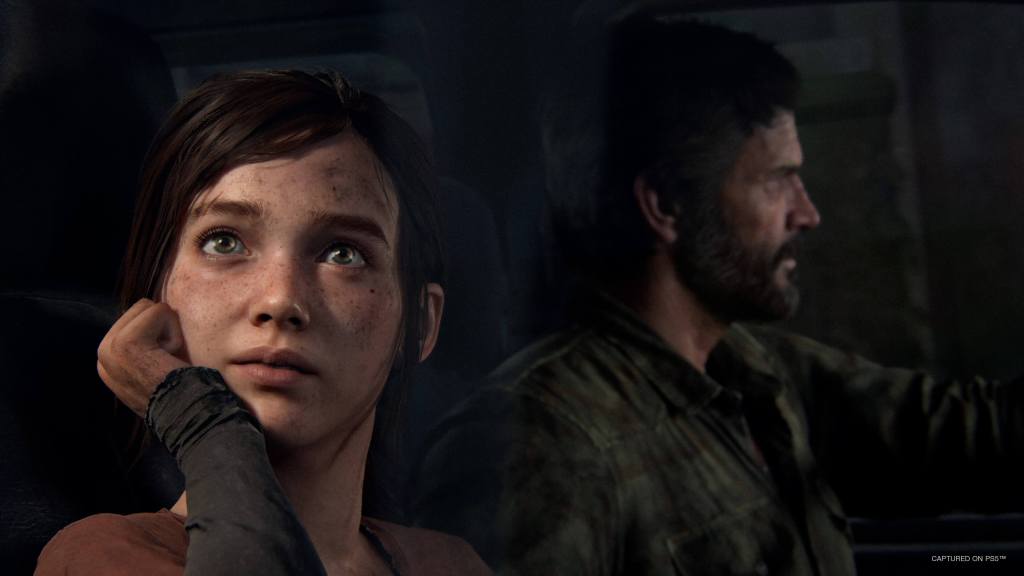
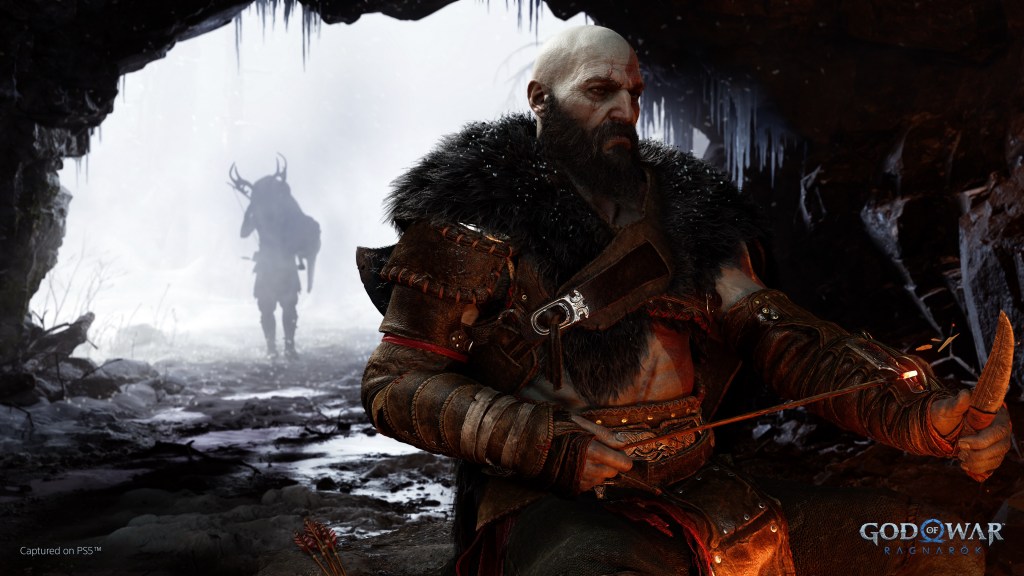
Take the recent God of War titles. From the very first moment you assume control of Kratos, you can feel the weight of Santa Monica Studio’s vision. Every swing of the axe, every interaction between father and son, every quiet moment between battles reinforces the game’s intent. The developers had a story in mind — a beginning, a middle, an end, and everything in between — and they refused to dilute it. They crafted a beautiful narrative exploring complex themes of grief through the lens of a father and son who are disconnected in the wake of loss, driven forward by prophecy and the fear of being torn apart.
The characters grow alongside the narrative, and in turn, so does our relationship with them. The tension, character dynamics, and combat systems are all carefully orchestrated with precision to provide a complete, satisfying experience. Now, imagine trying to deliver those same emotional punches within the confines of a live-service title — where bosses and enemies must be endlessly repeatable, where microtransactions stand between players and cosmetics, and where the story must be stretched beyond a satisfying conclusion just to retain engagement.
There’s something deeply satisfying about a single-player — or even cooperative — game that leaves you feeling satiated. Like you’ve experienced everything it has to offer. No fear of missing out. No checklist whispering that you’ve fallen behind. Especially now, when so many modern games blur the line between hobby and obligation.
As the end of 2025 approaches — and with it, the inevitable Geoff Keighley spectacle that is The Game Awards — there’s a clear shift in mentality across the industry. We’re in the midst of a renaissance, with the year’s best games focusing on artistically curated narrative experiences. Smaller studios are taking risks and creating truly unique works — whether in design or storytelling. And not only are they taking those risks, they’re succeeding, again and again.
Clair Obscur: Expedition 33 is an absolute masterpiece. Silksong crashed multiple storefronts with over 500,000 players in its first 24 hours, delivering on the promise fans have held onto since the ending of Hollow Knight. It pushed the boundaries of scale, difficulty, and imagination in both boss and level design.
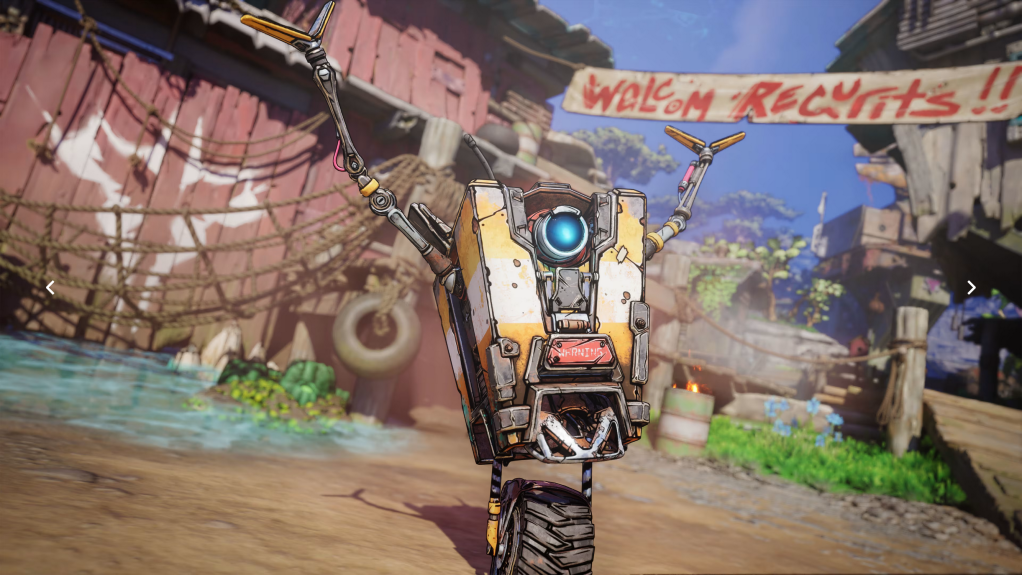
Even the looter genre is evolving. Borderlands 4 has seen new levels of success, showing how elements of live-service design can be leveraged into a singular, complete experience. It allows players to engage on their own terms — to invest deeply in crafting the perfect build right down to the attachments or mods on specific weapons or ordinance or simply dip in to enjoy the campaign and side content without the pressure of constant FOMO. Apart from its typical rocky PC launch and a somewhat underwhelming endgame, it’s been the most successful Borderlands in years, with overwhelmingly positive sentiment.
Video games, as a medium, hold a unique power to immerse players in worlds and connect them to characters in ways no other art form can. But like anything, too much of one thing can dull its impact. Repetition leads to monotony; dragging out stories dilutes their emotional weight and leaves them feeling underwhelming.
A Short Hike makes its ending clear from the very beginning — and knowing that the end is inevitable encourages you to explore, to interact, to take in the world at your own pace. Knowing that your time with something, or someone, is finite makes every moment feel that much more special. It makes you want to savour it — to enjoy it fully, before it’s gone.
And when it finally comes to an end, it gives you something that lasts far beyond the screen: memories worth revisiting, long after the credits roll.
Check out the video format: https://youtu.be/a20r-sGwkWY


 Gaming Acuity
Leave a comment